Hey there! You know, in the fast-changing world of renewable energy, making sure our energy storage systems work well really matters. A key player in all this is the Solar Battery Controller—it's basically what helps keep the batteries running smoothly and lasts longer. If you’ve been keeping an eye on industry trends, you might have seen reports saying that the global solar battery market is expected to grow by over 25% annually between 2021 and 2026. That just shows how much more people are relying on solar energy these days. At Bangzhao Electric, with over ten years of experience in providing top-notch lithium battery storage and power solutions, we totally get the ins and outs of Solar Battery Controllers. In this blog, I’ll talk about some common challenges folks run into with these controllers and share a few practical tips to boost their performance. Ultimately, we want you to get the most out of your solar investments—because who doesn’t want that, right?
Addressing the Efficiency Challenges of Solar Battery Controllers in Residential Installations
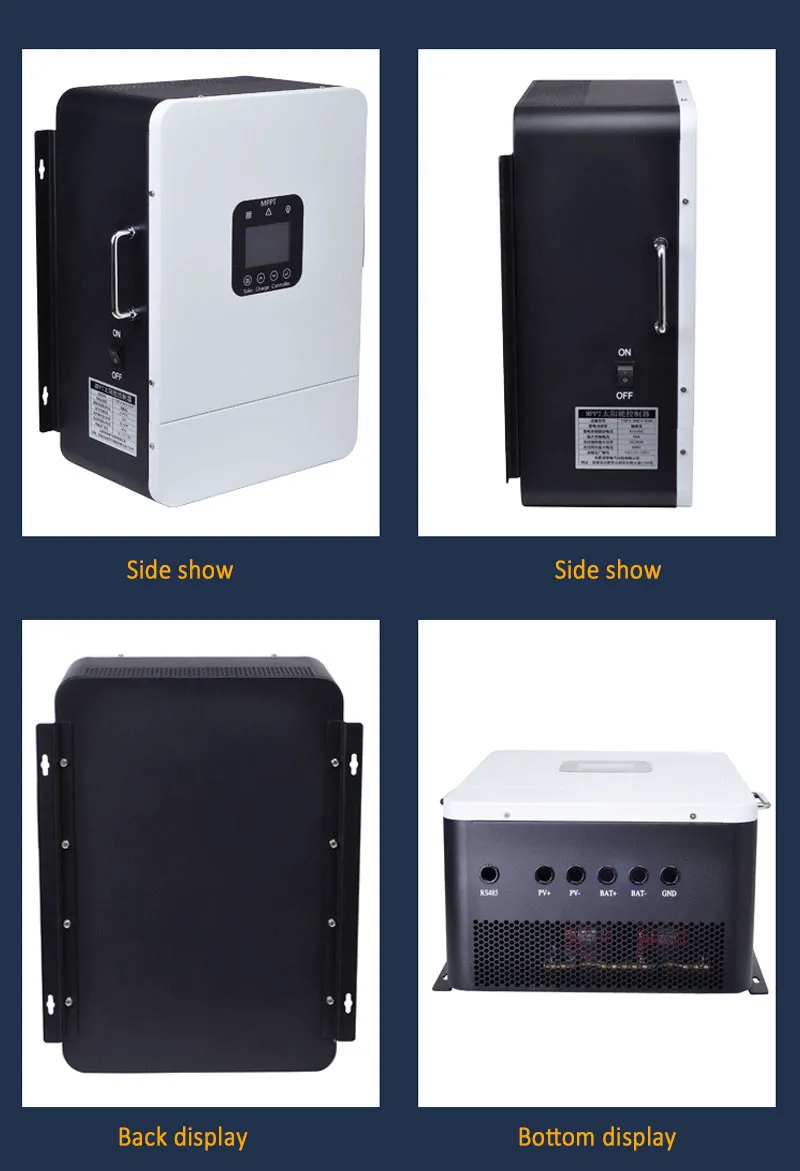
When it comes to residential solar power systems, the performance of the solar battery controllers really makes a difference. Honestly, one of the biggest hurdles they face is figuring out the best way to handle energy storage and release. A lot of homeowners get frustrated because their systems don’t perform as well as they should—mainly because of mismatched voltages or improper charging routines. But here's the thing: with some smart algorithms, these controllers can be tuned to optimize the way batteries charge. That means batteries store energy more efficiently and discharge it exactly when you need it most, making the whole setup work smarter, not just harder.
Another thing to watch out for is temperature. Batteries don’t love extreme heat or cold, and that can seriously mess with their lifespan and performance. Good controllers should be able to keep tabs on temperature changes and make adjustments as needed. For example, too much heat can speed up battery wear and tear, while cold weather might slow down charging efficiency. By including features that regulate temperature, these controllers not only help batteries last longer but also make the whole system more reliable. Tacking these issues head-on really makes a difference—your home’s solar system will run better and last longer if you do. So, fixing these common problems isn’t just about getting more energy—it's about keeping everything running smoothly for years to come.
The Impact of Temperature Variations on Solar Battery Performance and Controller Efficiency
You know, temperature swings really matter when it comes to how well your solar battery systems perform and how effective the battery controllers are. I read this report from the National Renewable Energy Laboratory that said, if temperatures drop below about 20°C (68°F) or go above 30°C (86°F), your battery's performance might take a hit — like, up to 20% worse. That’s pretty significant! It just highlights how important good thermal management is to keep everything running smoothly, no matter what the weather throws at you.
And it’s not just the batteries — the controllers themselves are also affected by temperature changes. When it gets hotter than 40°C (104°F), for instance, many types of batteries tend to develop more internal resistance. That’s basically like more friction inside, and it can cause energy losses—sometimes up to 30% if the conditions aren’t ideal. Luckily, smarter controllers with thermal regulation features can help cut down those losses, keeping things working at their best and even helping your batteries last longer. Things like proper ventilation or using heat-reflecting materials can also do a lot to boost performance. Long story short, managing heat effectively is key to making sure your solar energy system stays reliable, even when the weather gets tricky.
Optimizing Charge Cycles: Best Practices for Solar Battery Controllers to Maximize Lifespan
Taking care of your charge cycles is really key if you want your solar battery system to last longer. I read somewhere that, according to the folks at the National Renewable Energy Laboratory (NREL), if you don't charge your batteries properly, you could cut their lifespan by more than 30%. Yikes! That's why it’s so important to use smart solar battery controllers that come with Maximum Power Point Tracking (MPPT) technology. Basically, these controllers grab the most energy from your solar panels and make sure your batteries are being charged just right—not overcharging or over-discharging—which can really mess with their health.
Another thing to keep in mind is that you should tweak your charging habits based on the type of batteries you’re using. For example, lithium-ion batteries need a different approach than lead-acid ones. Researchers from the IEEE have found that keeping the charge level between about 20% and 80% can really boost the lifespan of lithium-ion batteries — we're talking up to double their usable life! So, by setting up your charging routine wisely and using smart controllers, you can keep your solar system running smoothly and make those batteries last way longer.
Understanding the Role of MPPT Technology in Enhancing Solar Battery Charge Management
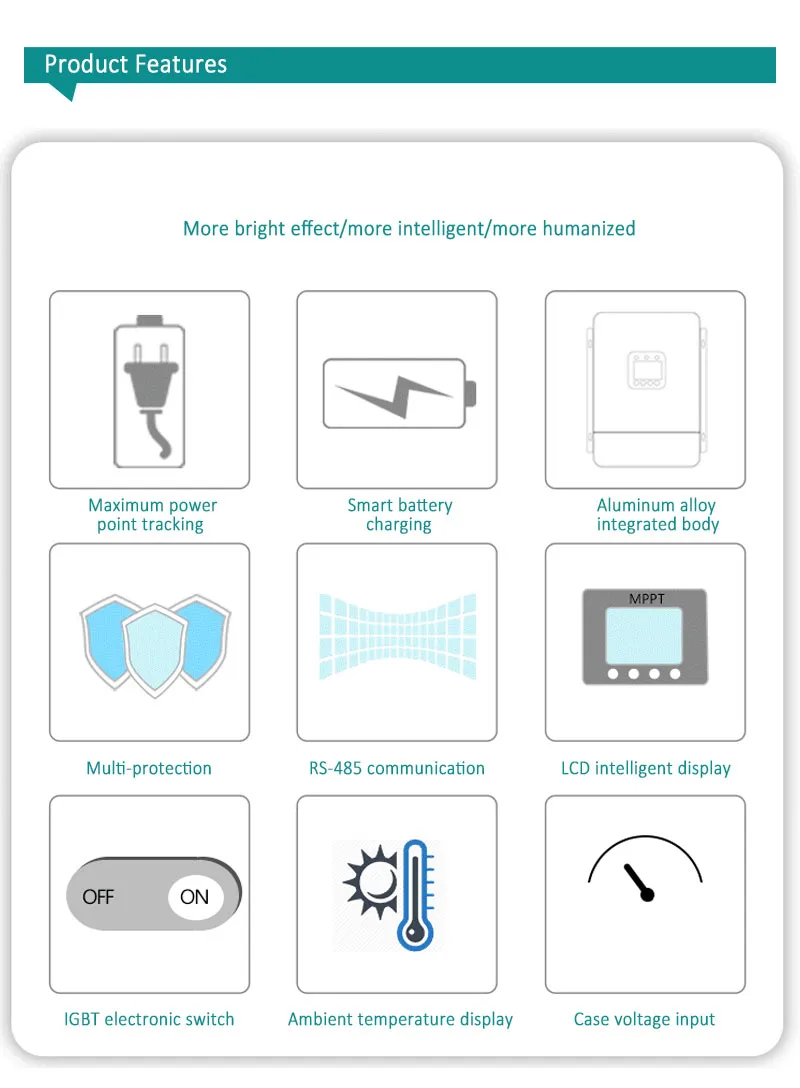
When it comes to solar energy, managing your battery charge properly is absolutely key to getting the best performance. That’s where Maximum Power Point Tracking (or MPPT for short) comes into play. Basically, MPPT tech keeps an eye on how much energy your panels are producing and adjusts things on the fly to make sure your batteries are charging as efficiently as possible. By squeezing the most juice out of your solar panels, MPPT controllers help keep your batteries healthy and lasting longer—which is super important if you want your renewable setup to really work well.
At Bangzhao Electric Co., Ltd., we totally get how crucial advanced charge management is. With over ten years under our belt providing high-quality lithium battery storage and bi-directional energy systems, we’re all about making solar installations work smarter. Our Pure Sine Wave Inverters and other power solutions are designed to team up perfectly with MPPT technology, ensuring energy flows smoothly from your panels either to the grid or your storage units. We also tackle common issues with solar battery controllers head-on, so our users can enjoy better energy independence and more reliable system performance—no headaches, just cleaner, smarter power.
Addressing Common Issues with Solar Battery Controllers for Optimal Performance - Understanding the Role of MPPT Technology in Enhancing Solar Battery Charge Management
| Issue | Description | Potential Solutions | Impact of MPPT Technology |
| Undercharging | Batteries may not receive enough charge, reducing lifespan. | Regular monitoring and adjusting charge settings. | MPPT optimizes voltage and current, enhancing charging efficiency. |
| Overcharging | Excessive charging can lead to battery damage. | Use of protective circuits to prevent overcharge. | MPPT technology helps regulate the input voltage, reducing the risk of overcharging. |
| Temperature Effects | Battery performance deteriorates in extreme temperatures. | Implement temperature compensation in controllers. | MPPT can adjust charge parameters based on temperature for optimal performance. |
| Inefficient Charge Patterns | Inefficient patterns lead to longer charging times. | Adopt smart charging algorithms. | MPPT enhances charge patterns by maximizing solar input. |
Identifying Common Faults in Solar Battery Controllers: A Data-Driven Approach to Troubleshooting
When you're dealing with solar energy setups, solar battery controllers are pretty much the unsung heroes—crucial for keeping things running smoothly and making sure everything lasts. That said, like any tech gadget, they can run into some common hiccups that mess with their performance. The good news? Using a data-driven approach to troubleshoot can really help you pin down what’s going wrong and find targeted solutions. For example, one of the most common issues is batteries getting overcharged—think of it like giving your phone too much juice, which can shorten its life or cause damage. By checking out charging patterns and battery health data, you can tweak controller settings or even consider upgrading to smarter controllers that prevent overcharging altogether.
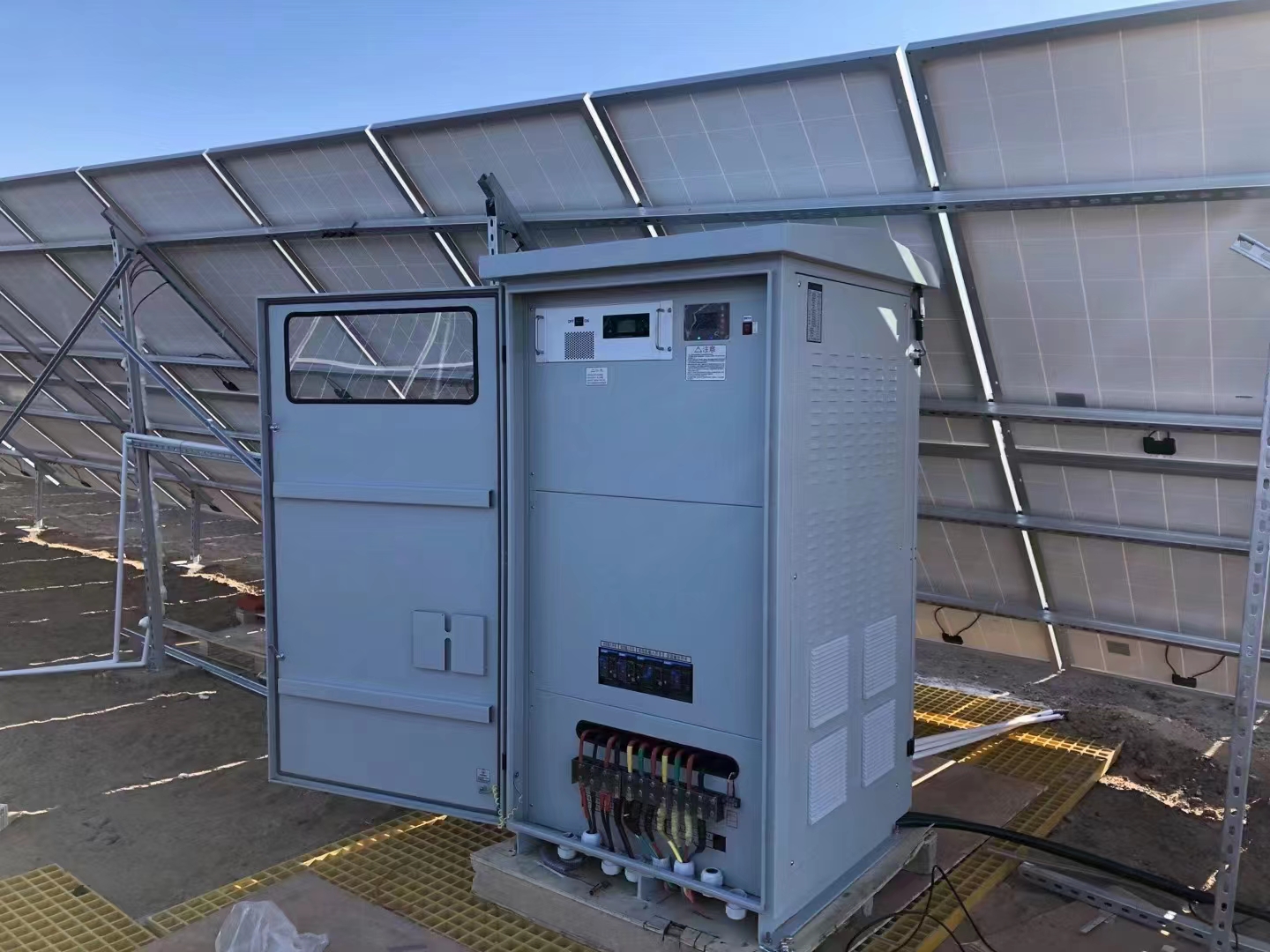
Another notorious problem? Communication glitches between the controller and the battery. This can lead to false readings or bad power management. Luckily, with diagnostic tools and data logging, you can spot disconnections or misconfigurations pretty easily. Going back and reviewing past performance data can also reveal trends that help you catch issues before they become serious. Being proactive like this doesn’t just boost the lifespan and efficiency of your controllers; it also ramps up the overall performance of your entire solar energy system. So, a bit of regular check-in and smart troubleshooting really does go a long way!
The Future of Smart Solar Battery Controllers: Innovations and Technologies to Watch
Looking ahead, the future of smart solar battery controllers is pretty exciting. With all the tech advancements happening these days, we're seeing some real improvements in how we store and use energy. For example, artificial intelligence and machine learning are starting to play a big role—they help these controllers get smarter about managing energy. They can actually predict how you'll use energy, tweak charging and discharging on the fly, and keep the batteries running smoothly. Not only does this mean your solar batteries last longer, but it also helps you make better use of the energy you generate, cutting down waste and saving you some money.
And, oh, the Internet of Things (IoT)is really changing the game, too. Now, smart Solar Controllers with IoT features let you check your system and make adjustments from your phone or smart home setup—pretty handy, right? It adds a new level ofconvenience and lets you see what's happening with your system in real-time. As these tech things keep improving, I think we’ll see even cooler features, like automatic alerts if something’s wrong or notifications for maintenance needs. All in all, these innovations are paving the way for a greener, more efficient energy future—and honestly, it feels like we’re just getting started.
Maximizing Efficiency: Insights from Industry Reports on Solar MPPT Pump Inverters (25-250KW)
The rise of solar technology has significantly transformed the agricultural landscape, particularly through the implementation of solar MPPT (Maximum Power Point Tracking) pump inverters. These devices are crucial for enhancing the efficiency of solar pumping systems, ensuring that they operate at optimal performance even as sunlight intensity fluctuates throughout the day. Among the various options available, Bangzhao Electric's SPI series Solar MPPT Pump Inverters stand out as a reliable and efficient choice for farmers and businesses alike.
The SPI series is designed to convert direct current (DC) from photovoltaic (PV) arrays into alternating current (AC), effectively powering water pumps used in various applications, from irrigation to livestock watering. One of the most significant advantages of these inverters is their ability to adjust the output voltage and frequency in real-time, responding to changes in sunlight intensity. This feature allows for maximum power point tracking, ensuring that users can harness the maximum potential of solar energy throughout the day. As a result, operators can enjoy improved irrigation efficiency and reduced energy costs, ultimately leading to a more sustainable agricultural practice.
In light of recent industry reports, the demand for efficient solar MPPT pump inverters is expected to grow significantly. This growth is largely driven by increasing awareness of renewable energy benefits and technological advancements in inverter design. Investing in Bangzhao Electric's SPI series not only maximizes solar energy utilization but also contributes to a greener and more efficient future for agriculture.
FAQS
: The primary challenges include managing energy storage and discharge cycles, mismatched voltage levels, and improper charging protocols that can lead to suboptimal performance.
By implementing advanced algorithms, solar battery controllers can optimize the charging process, ensuring that batteries store energy efficiently and discharge it when needed most.
Temperature regulation is crucial because excessive heat can accelerate battery degradation while colder temperatures may lead to inefficient charging. Controllers that monitor and adjust for temperature fluctuations can enhance battery lifespan and overall system reliability.
Common faults include overcharging of batteries, communication failures between the controller and battery, and misconfigurations that lead to inaccurate readings and ineffective power management.
Users can employ a data-driven approach by analyzing charging patterns and battery health data, and utilizing diagnostic tools and data logging to identify communication issues or configuration errors.
Advancements include the integration of artificial intelligence and machine learning for predictive energy management, as well as IoT capabilities for remote monitoring and control.
IoT allows for greater connectivity and convenience, enabling users to monitor and control their solar energy systems through smartphones, which provides real-time feedback and informed decision-making about energy usage.
Smart features like automatic fault detection and predictive maintenance alerts improve user experience and system performance, contributing to a more sustainable energy future.
By optimizing battery performance and energy usage, these controllers reduce waste and enhance efficiency, ultimately lowering energy costs for consumers.
By using smart solar battery controllers that employ advanced algorithms and real-time monitoring, the charging and discharging cycles can be optimized to prolong battery life.
Conclusion
So, I came across this blog titled "Addressing Common Issues with Solar Battery Controllers for Optimal Performance" — it's really packed with useful info, especially if you're into solar setups for your home. The article digs into some of the hurdles these controllers face, like how temperature swings can mess with both the batteries' performance and how well the controllers work. It offers some good tips on how to optimize charging cycles to make your solar batteries last longer — trust me, that’s a game-changer. Plus, it explains how maximum power point tracking (MPPT) technology can really help improve charge management, which is pretty cool.
The blog also points out typical problems with solar battery controllers by taking a data-driven approach to troubleshooting, giving practical insights to keep things running smoothly. And if you're into what's coming next, it touches on the future of smart solar controllers, highlighting new tech that's set to shake up the energy storage scene. With over ten years of experience under their belt, Bangzhao Electric Co., Ltd. seems ready to offer top-notch solutions to boost your solar system's performance and reliability. Pretty interesting stuff, right?