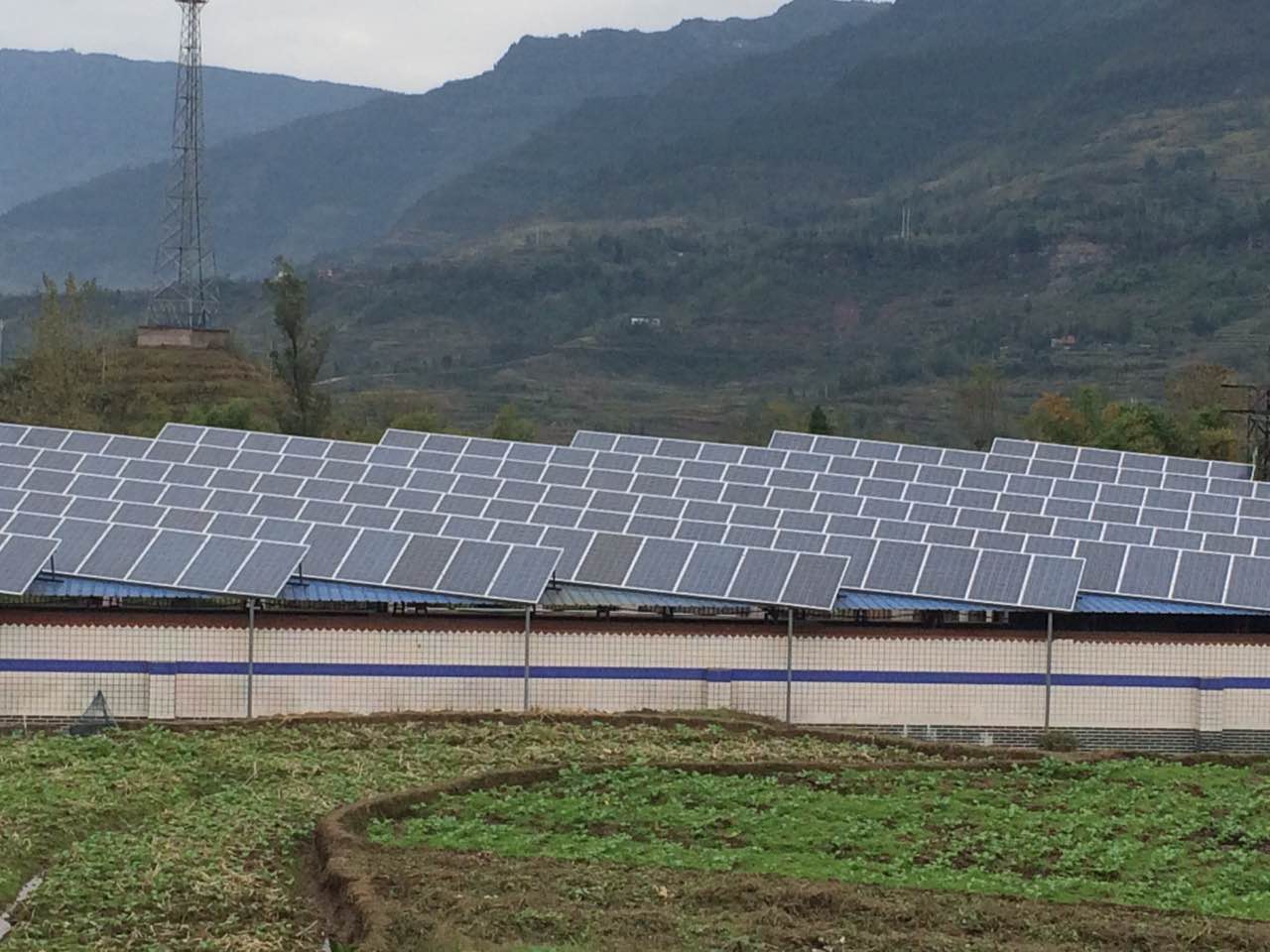
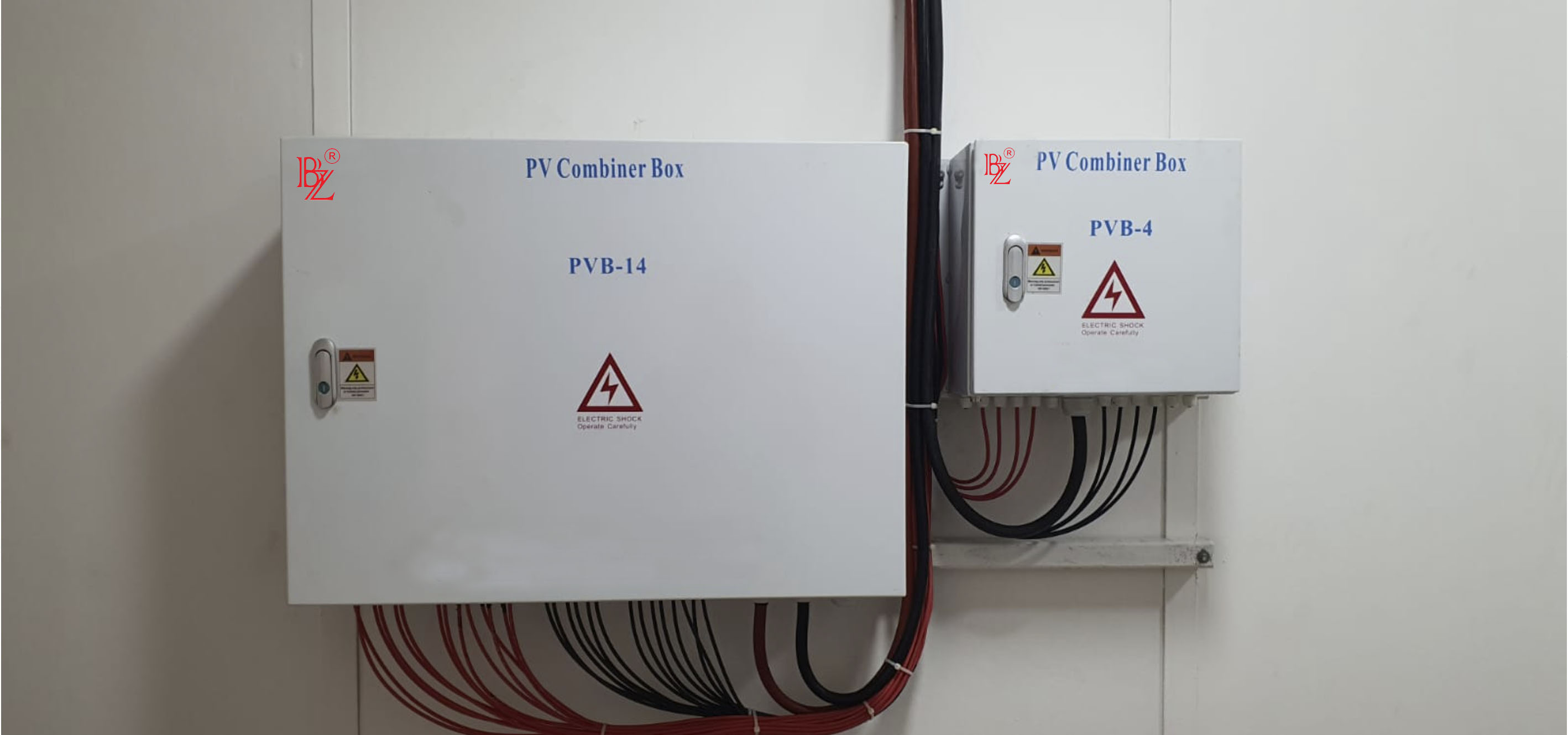
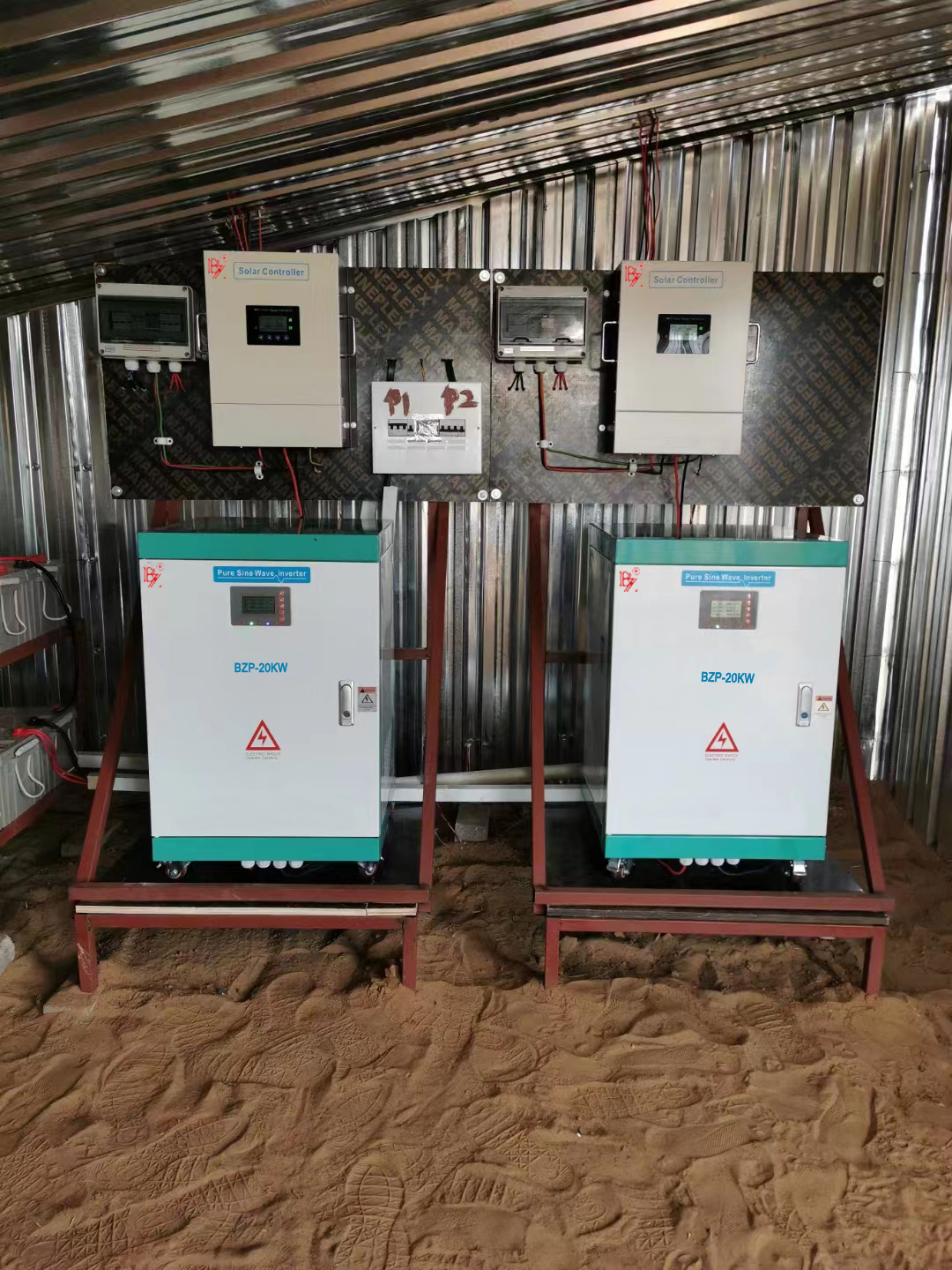
Lately, the solar energy scene has been booming like crazy, and that’s really pushing up the demand for better, more efficient photovoltaic systems. If you look at the latest reports from the International Renewable Energy Agency (IRENA), you'll see that global solar capacity hit over 800 gigawatts by 2020 — pretty impressive, right? As more and more solar setups pop up everywhere, it's pretty clear that choosing the right PV accessories isn't something to overlook. These parts—things like mounting brackets, inverters, batteries—are actually pretty essential when it comes to making sure your solar system runs smoothly and lasts longer. Here at Bangzhao Electric Co., Ltd., we’re all about offering high-quality solutions. That includes lithium battery storage options and Pure Sine Wave Inverters, specifically designed to make your solar setup even more efficient. With over ten years in the game, we totally get that the right accessories can really make or break your energy yield and reliability, especially since the solar world is always changing.
Understanding the Essential Components of Photovoltaic Systems
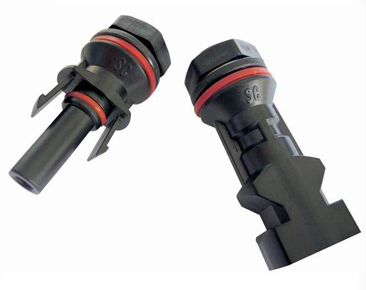 Photovoltaic systems need a bunch of different parts to turn sunlight into usable electricity efficiently. At the core, you’ve got those PV cells—usually made from silicon—grabbing sunlight and flipping it into electrical current. Lately, there's a lot of buzz around new tech like perovskite-silicon tandem solar cells. People are excited about how these could boost energy conversion and stay reliable over time, which is especially important if you’re thinking big for commercial use.
When you're picking out accessories for your solar setup, it’s pretty important to think about the main components: inverters, mounting systems, and batteries. Inverters are basically the bridge—they turn the DC power generated by those PV cells into AC, which is what most homes use. Plus, more folks are going with battery storage these days—being able to save extra energy for later makes your whole system way more efficient. The trend also shows a big shift towards Building-Integrated Photovoltaics (BIPV) and Building-Applied Photovoltaics (BAPV). These options are great because they fit different installation needs and personal preferences. Picking the right accessories not only helps you get the most out of your solar power but also makes sure your system’s gonna last and work well into the future.
Evaluating Your Energy Needs to Determine Accessory Requirements
When you're picking out the right Photovoltaic Accessories for your solar setup, it's super important to understand your energy needs first. I mean, did you know that back in 2020, the average household in the U.S. used about 877 kWh of energy each month? Knowing your own monthly usage can really help you figure out what size and capacity of solar panels, inverters, batteries, and charge controllers you’ll actually need. Trust me, doing these calculations upfront can save you from wasting money on gear you don’t really need — nobody wants to overspend, right?
On top of that, the folks at the National Renewable Energy Laboratory (NREL) suggest thinking about when your energy use is at its peak. Like, do you use most of your power in the evening? If so, it might be worth investing in a solid battery system that charges during the day and supplies power during those high-demand hours. Planning this way not only helps you get the most out of your solar system but can also make it more cost-effective and efficient. So, by choosing accessories that match your specific energy habits, you'll end up with a solar setup that works smoothly and doesn’t break the bank.
Choosing the Right Inverter for Optimal Solar Performance
When you're picking out the right inverter for your solar setup, it’s pretty important to think about what really affects how well it works and how efficient it is overall. Basically, the inverter is like the heart of your whole solar system — it takes the direct current (DC) power from your panels and turns it into alternating current (AC), which is what your home actually uses. Now, there are mainly two types: string inverters and microinverters. Usually, string inverters are the cheaper option if you've got a big installation, but they can run into issues if some panels get shaded or aren’t getting perfect sunlight. Microinverters, on the other hand, work independently on each panel, so they can really help maximize your energy output, even if some panels are in less-than-ideal spots.
Another key thing to keep in mind when choosing an inverter is making sure it matches your energy needs and the size of your system. They’re rated in kilowatts (kW), so you want one that can handle your system’s peak power, no surprises there. Also, it’s worth looking at extra features like monitoring options, warranties, and how efficient they really are. Generally speaking, high-efficiency inverters tend to perform better and can save you more money in the long run. If you take the time to weigh these factors carefully, you'll make sure your solar setup runs smoothly and you get the most bang for your buck — more savings, more sustainability, and less hassle overall.
How to Choose the Right Photovoltaic Accessories for Your Solar Installation - Choosing the Right Inverter for Optimal Solar Performance
| Inverter Type | Efficiency (%) | Warranty (Years) | Cost ($) | Best Use Case |
| String Inverter | 95 | 5 - 10 | 1,000 - 3,000 | Residential |
| Micro Inverter | 90 - 95 | 10 - 25 | 150 - 300 each | Shaded or Complex Roofs |
| Power Optimizer | 95 - 99 | 10 - 25 | 100 - 200 each | Large Scale Installations |
| Hybrid Inverter | 90 - 95 | 5 - 10 | 1,200 - 4,000 | Energy Storage Systems |
Selecting the Appropriate Mounting and Racking Solutions
When you're trying to pick out mounting and racking options for your solar setup, it’s super important to think about the specific details of your location. First off, take a look at your roof type or what the ground conditions are like where you plan to install the panels. If you’ve got a sloped roof, simple fixed mounts might do the trick. But if you’re dealing with a flat roof, you’ll probably need some kind of ballast system to keep everything steady and prevent it from shifting around. Also, don’t forget to check out the local weather patterns—stuff like wind and snow can really put your mounts to the test, so you want to make sure they’re up to the job.
Another key thing is the orientation and tilt of your solar panels. Having adjustable mounts can be a game-changer because you can tweak the angle throughout the year to catch the sunlight just right, which helps you get the most juice out of your system. Plus, choosing racking materials that are solid quality isn’t just about durability; it means less worry and lower maintenance in the long run. And it’s worth making sure everything is compatible with your solar panels, so everything works smoothly together and lasts longer while producing plenty of energy.
Exploring Battery Options for Energy Storage and Backup
When you're choosing the right solar accessories for your setup, one of the most important things to think about is the battery — that’s what’ll store your extra energy and keep you powered up during those cloudy days or power outages. Batteries are pretty much the backbone of any solar system, and lately, lithium-ion batteries have been stealing the spotlight. They’re more efficient, last longer, and are getting cheaper all the time. Plus, they can hold way more energy than the old-school lead-acid ones, so you get a solid backup when the power goes out.

But it’s also a good idea to check out the capacity and how quickly the batteries can discharge — basically, you want to make sure they match what you need. Batteries with a higher cycle life are a big plus because they can be charged and drained many times without losing their mojo. The perfect energy storage setup doesn’t just take care of your current needs; it should also be ready to grow with you as your energy habits change over time. If you keep these things in mind, you’ll be able to pick a battery system that really enhances your solar install, helping you stay sustainable and energy independent in the long run.
Assessing Safety Features and Compliance with Local Regulations
When you're picking out photovoltaic accessories for your solar setup, it's super important to make sure you're in line with local regulations. Every region tends to have its own rules when it comes to solar systems—things like wiring methods, grounding, and how you go about installing everything. Getting familiar with these guidelines isn’t just about avoiding pesky fines; it also helps make sure your system runs safely and smoothly. Honestly, it’s a good idea to check in with local building departments or the regulatory agencies—they usually have the info you need before you start installing anything.
FAQS
: The average residential energy consumption in the U.S. was about 877 kWh per month in 2020.
Evaluating energy needs is crucial because it helps determine the necessary size and capacity of photovoltaic systems and compatible accessories, ensuring you meet your energy demands without overspending.
Assessing peak demand hours allows you to choose appropriate battery storage systems and inverters, ensuring optimal energy consumption and cost-effectiveness during high-demand periods.
It's important to ensure compliance with local regulations, including specific codes governing solar energy systems, to avoid fines and ensure safe and efficient operation.
Look for components that meet safety certifications, have been tested by third-party organizations, and include protective measures like surge protection and electrical disconnects.
Consulting local building departments can provide relevant guidelines and ensure that your solar installation complies with local codes and standards.
Safety certifications ensure that the components comply with legal and performance standards, providing assurance of their quality and safety.
Inverters are vital components that convert the energy generated by photovoltaic panels into usable electricity for home use or grid connection.
Aligning accessory choices with energy needs ensures a well-functioning solar installation that is both economical and efficient.
Prioritizing safety features helps minimize risks associated with electrical failures or environmental factors, ensuring a reliable solar installation.
Conclusion
Picking the right photovoltaic accessories really matters if you wanna get the most out of your solar setup. Knowing the key parts of a photovoltaic system—like inverters, mounting options, and batteries—is super helpful to fit your unique energy needs. When you're choosing these components, it’s a good idea to think about what kind of inverter will give you the best performance and to make sure your mounting and racking solutions fit your installation space.
Also, looking into different battery options for energy storage and backup power is pretty important, especially if you want to keep the lights on during a blackout. Don’t forget to check safety features and make sure everything ticks the boxes according to local rules—that way, you’re protecting your investment. At Bangzhao Electric Co., Ltd., we’ve got a wide variety of top-notch products like lithium batteries, pure sine wave inverters, and more—everything designed to meet the needs of different solar users out there.