


Leave Your Message
China Shore to Ship Power Converter - 3 Phase to Single Phase, Reliable Suppliers and Factory Solutions for Vessel Operations

Hot Products

Products Categories
Featured Products

China Shore to Ship Power Converter - 3 Phase to Single Phase, Reliable Suppliers and Factory Solutions for Vessel Operations

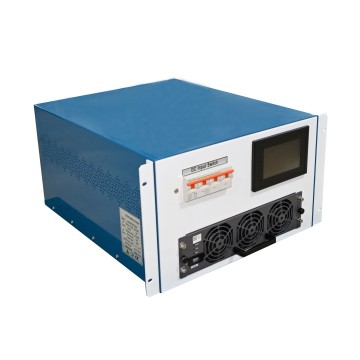
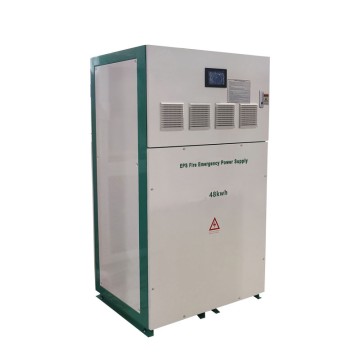
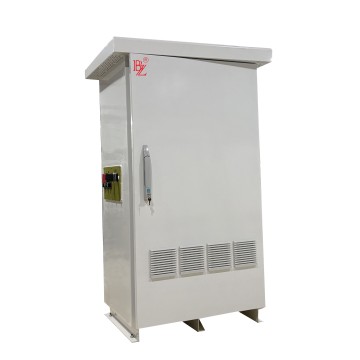
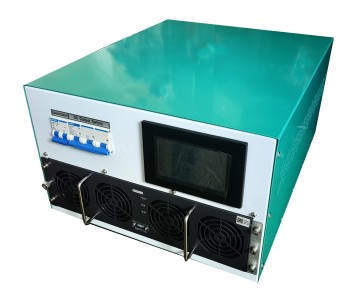
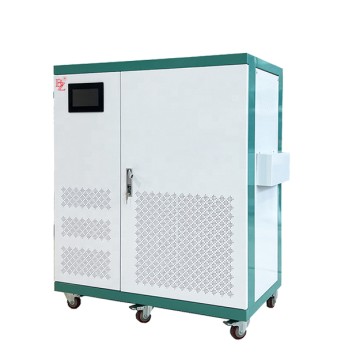
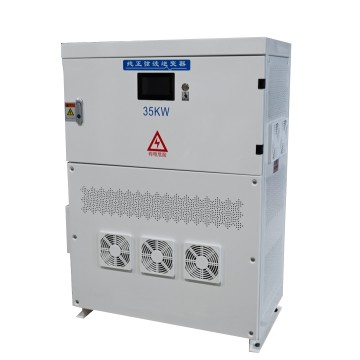
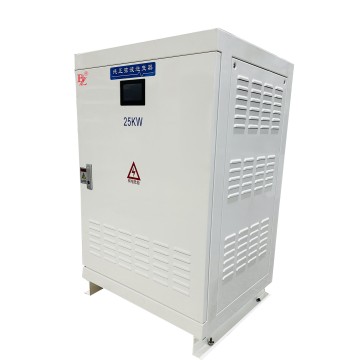
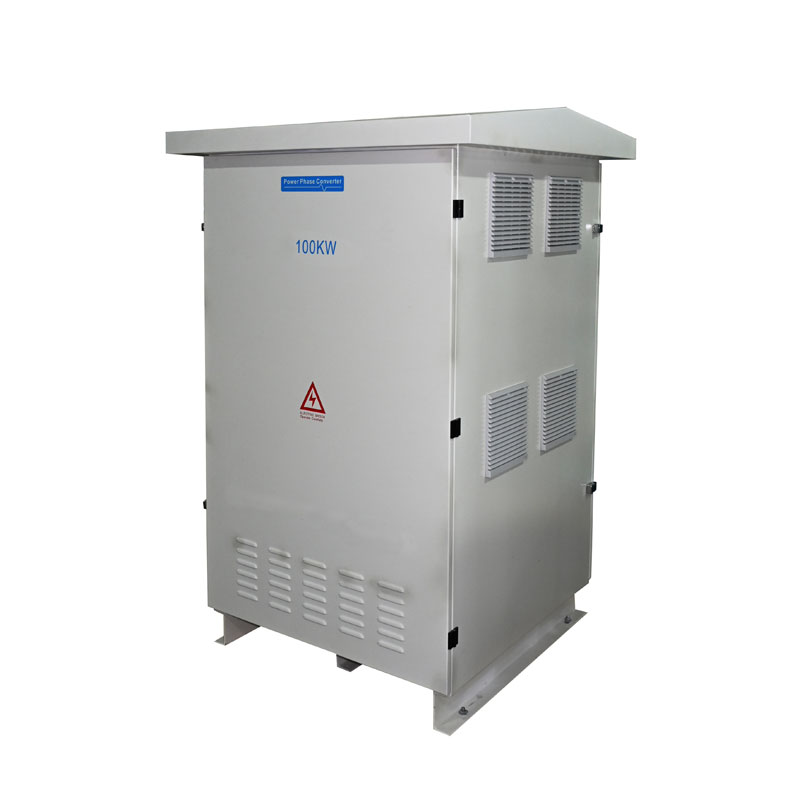
Our outdoor shore-to-ship power converter is expertly engineered to facilitate the efficient and safe conversion of shore power into usable electricity for shipboard equipment during port operations and berthing. As a leading manufacturer in China, we pride ourselves on delivering exceptional performance and reliability in our products. This power converter is the ideal solution for shipboard power conversion, making us a trusted choice among suppliers in the maritime industry. Enhance your vessel operations with our high-quality power converters, designed to meet the demanding needs of modern shipping

    This Shore to Ship Power Voltage Converter employs advanced mains-frequency isolation technology, establishing a robust electrical isolation barrier between shore power and vessel equipment. This technology effectively blocks potential adverse factors from the shore power supply, such as electrical interference, voltage fluctuations, and harmonics, delivering a stable and clean power source to onboard equipment. Regardless of variations in shore power quality, the converter maintains stable output voltage and frequency. This ensures optimal operation of onboard equipment including lighting systems, ventilation units, pumps, and electronic instruments, significantly reducing equipment failure rates and extending service life.

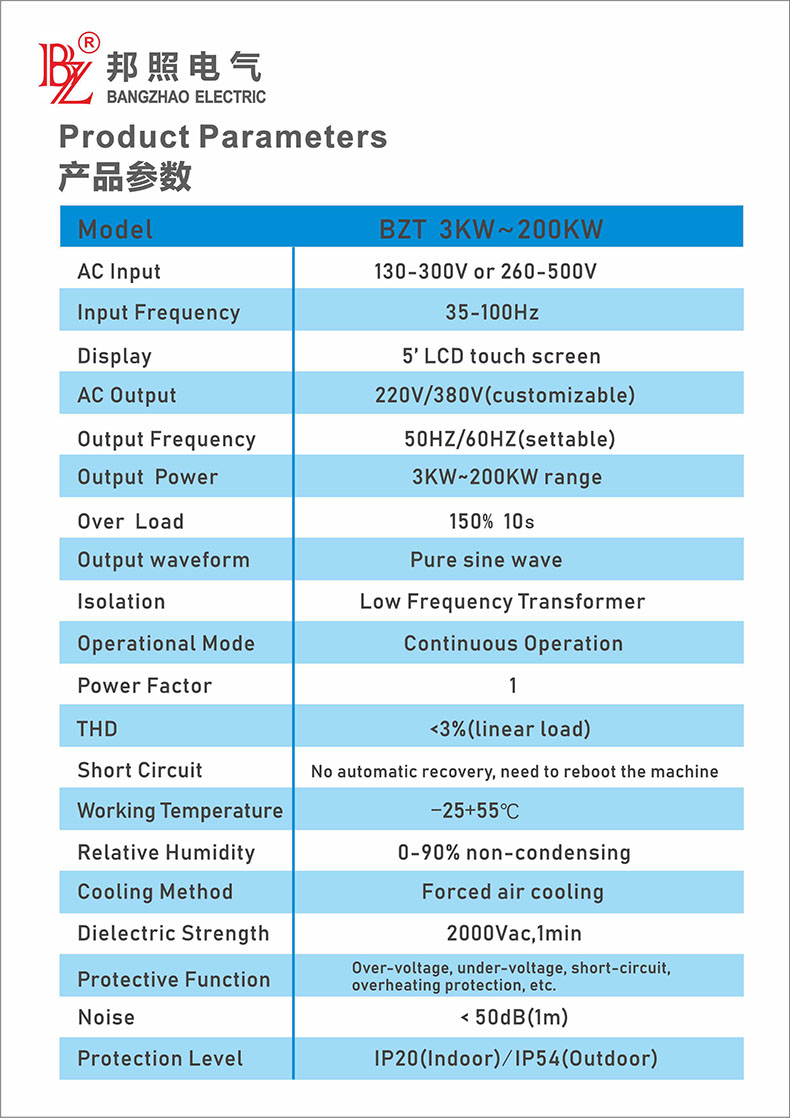
    Given the complex and variable conditions encountered during vessel berthing, the converter demonstrates exceptional outdoor adaptability. Its housing is constructed from high-strength, corrosion-resistant materials, featuring waterproof and dustproof capabilities with an ingress protection rating of [specific rating, e.g., IP45, IP54], effectively withstanding rainwater, seawater splashes, dust ingress, and adverse weather conditions. Whether deployed in humid coastal ports, wind-swept inland river terminals, or dust-laden industrial harbour areas, the converter operates with consistent reliability, delivering uninterrupted power support to vessels.

    Key Technical Features
    Harmonic Suppression Technology

    To counter electromagnetic interference generated by shipboard variable frequency drives, motors and similar equipment, the unit employs special winding designs and shielding measures. This filters out over 90% of high-frequency harmonics, ensuring pure and stable output voltage (error ≤ ±1%).

    Dynamic Voltage Compensation

    Through an integrated tap changer, voltage regulation within ±5% is achieved. This maintains output voltage near rated values even during fluctuations in shore power supply or sudden changes in vessel load, thereby safeguarding normal equipment operation.

    Over 92% Conversion Efficiency

    Utilising low-loss core materials and optimised winding techniques to minimise iron losses and reduce energy consumption, thereby supporting green shipping.

    Multi-Layered Protection Mechanisms

    Equipped with overcurrent, overvoltage, overload, short-circuit and thermal protection functions. Continuously monitors operational status, disconnecting power within 0.1 seconds upon detecting anomalies to prevent fault escalation.
    Shore to Ship Power Voltage Converter
    Application Scenarios
    Port Shore Power System

    Provides stable 400V/60Hz power supply for container ships, cruise liners and similar vessels, enabling auxiliary engines to be switched off during port calls to reduce noise and carbon emissions.

    Offshore Engineering Vessels

    Delivers 600V isolated power to drilling rigs, crane vessels and similar equipment, withstanding vibration and impact in harsh sea conditions.

    Specialised Vessel Requirements

    Supports customised input/output voltages (e.g. 460V to 220V conversion), power capacity and protection ratings to meet the demands of scientific research vessels, naval ships and other specialised applications.

    Frequently Asked Questions
    Q What is the purpose of mains-frequency isolation technology in this converter?
    A Mains-frequency isolation technology creates a robust electrical barrier between the shore power supply and onboard vessel equipment. It effectively blocks electrical interference, voltage fluctuations, and harmonics from the shore side, ensuring that all onboard systems receive a stable and clean power source regardless of shore power quality variations.
    Q What ingress protection rating does the converter housing offer?
    A The converter housing is constructed from high-strength, corrosion-resistant materials with waterproof and dustproof capabilities. The ingress protection rating is specified per unit configuration (e.g., IP45 or IP54), making it suitable for humid coastal ports, wind-swept inland river terminals, and dust-laden industrial harbour environments.
    Q How does the harmonic suppression technology work and what level of filtering does it achieve?
    A The unit employs special winding designs combined with shielding measures to counteract electromagnetic interference generated by shipboard variable frequency drives, motors, and similar equipment. This approach filters out over 90% of high-frequency harmonics, ensuring a pure and stable output voltage with an error of ≤ ±1%.
    Q Can the converter handle sudden load changes or fluctuations in shore power supply?
    A Yes. The integrated dynamic voltage compensation system uses a tap changer to achieve voltage regulation within ±5%. This maintains output voltage near rated values even when the shore power supply fluctuates or the vessel load changes suddenly, thereby protecting normal equipment operation at all times.
    Q What protection functions are built into this shore-to-ship power converter?
    A The converter is equipped with multi-layered protection mechanisms including overcurrent, overvoltage, overload, short-circuit, and thermal protection. It continuously monitors operational status and can disconnect power within 0.1 seconds upon detecting any anomaly, effectively preventing fault escalation and protecting both the converter and connected vessel equipment.
    Q Is the converter suitable for specialised vessels with non-standard voltage requirements?
    A Yes. The converter supports customised input/output voltage configurations, such as 460V to 220V conversion, along with flexible power capacity and protection rating options. This makes it well-suited for scientific research vessels, naval ships, offshore engineering vessels, and other specialised marine applications with unique power requirements.

    Leave Your Message